Scrabble® GO – Fun with Words!
- 4.6
- Rating
- 10.00M
- Installs
- Free
- Price

 Analysis by App-foxy
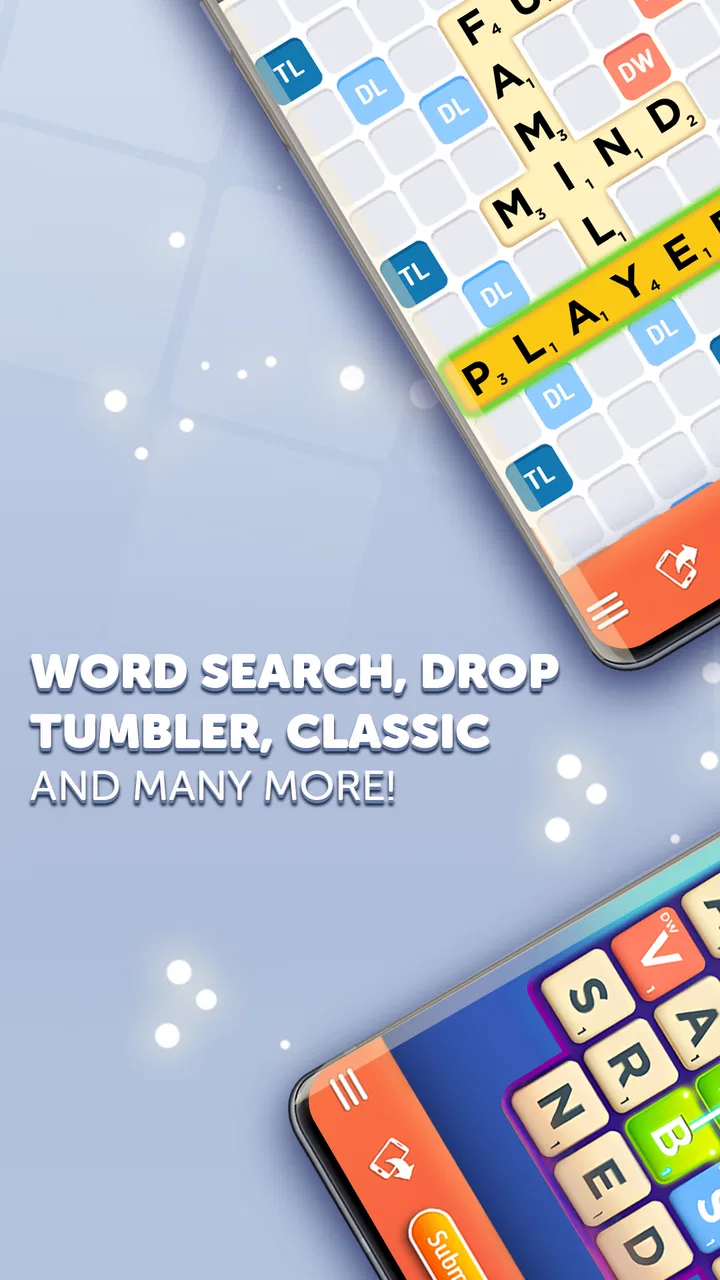
I approached Scrabble® GO as more than a quick word-game download. The first question for me was whether it could become a regular part of my routine after the initial curiosity wore off. It is a free word game from Scopely, rated for Everyone, and it combines the familiar Scrabble board with mobile play, custom tiles, puzzles, and matches against friends. That combination makes the opening experience easy to understand, but the lasting appeal depends heavily on how much you enjoy taking your time over words.
The game has a 4.5 average from around 562 thousand ratings, with more than 10 million installs. Those figures suggest that it has reached well beyond the traditional board-game audience. I can see why: the basic rules are recognizable, the turns are manageable on a phone, and a match can fit into small gaps during the day. Still, its strongest quality is not speed. It is the way it turns a familiar tabletop contest into an ongoing habit.
Why the first week feels so approachable
My first impression was that the game does a good job of lowering the barrier to entry. If you already know how Scrabble works, the board and letter values feel immediately familiar. If you do not, the turn-based format gives you room to learn without demanding quick reactions. That matters on a phone, where a word game should feel thoughtful rather than frantic.
You May Also Like

 AccuWeather: Weather Radar
AccuWeather Review: A Quick, Clear Forecast for Everyday Decisions
For everyday plans, the best forecast is the one you can understand quickly. AccuWeather makes rain timing, radar, and local conditions easy to act on, with a few trade-offs.

 Hill Climb Racing
Why Hill Climb Racing Still Turns Crashes Into One More Run
A tiny car, a bumpy hill and one more upgrade: Hill Climb Racing keeps resurfacing because its simple chaos makes every near-miss feel personal.

 AliExpress - Shopping App
AliExpress Makes Global Shopping Feel Personal, but Shoppers Bear the Risk
AliExpress turns a global marketplace into a pocket-sized discovery engine. Its reach is useful, its shopping loop compelling, and its trade-offs easy to miss.

 Lords Mobile: Kingdom Wars
Lords Mobile Is a Kingdom-Building Routine, Not a Quick Match
A case-by-case verdict on the building, battles, device demands, and social commitments that make Lords Mobile rewarding for some players and exhausting for others.

 PDF Scanner app - TapScanner
TapScanner Makes Paperwork Easier to Capture, Check, and Share
TapScanner makes scanning with a phone feel less like a rescue operation and more like a dependable step in getting work done. Its capture tools are useful, though not flawless.

 Block Blast!
 Shows How Much a Puzzle Game Can Leave Out
A quiet grid game shows why puzzle players increasingly value instant clarity, repeatable skill and low-pressure play—and where the genre still needs to catch up.
More From Our News Desk
View All News


The opening appeal comes from having several kinds of activity around the central board game. A normal match gives you the satisfaction of building a word and placing it carefully, while the shorter puzzle-style experiences offer something to do when you do not want to commit to a full match. I found that useful because my available attention changes throughout the day. Sometimes I want to study a rack and plan several turns ahead; at other times, I only want a small word challenge.
The custom tile element also gives the experience a more personal feel than a physical set. It does not change why I play, but it makes the board feel less static. Small visual choices can help a long-running mobile game feel like something I return to rather than a plain digital copy of a box on a shelf.
The most important first-week tip is to treat every move as a lesson in board control, not merely a search for the longest word. A large word can open valuable scoring spaces for the other player, while a modest play can protect a premium square or keep useful letters together. New players often focus on vocabulary alone; I had more success when I also considered what the board would look like after my turn.
That is where the app begins to separate itself from simple word puzzles. A crossword-style game usually asks for one correct answer at a time. Here, the challenge is partly linguistic and partly positional. You are choosing among legal words while managing the board, available bonuses, and the letters likely to remain in your rack. That extra layer gives the first matches more depth than the store summary might suggest.
Playing with friends changes the pace
Matches with friends are especially well suited to everyday phone use. A turn-based game does not require both people to be available simultaneously, so it can continue through a commute, a lunch break, or an evening at home. I like that structure more than a live multiplayer format when I want a relaxed game rather than another appointment on my calendar.
A realistic routine might look like this: I start a match with a friend in the morning, make one careful move while drinking coffee, and return later when the other turn arrives. In the evening, I can review the board with more attention. The match becomes a small thread running through the day instead of a single block of screen time.
That convenience has a trade-off. A slow opponent can make the game feel disconnected, and a match that stretches across too many interruptions may lose its momentum. Players who prefer immediate rounds and a clear beginning and ending may find the asynchronous rhythm less satisfying than a traditional timed word game.
What to learn before spending anything
The game is free to download, but it includes in-app purchases ranging from $0.49 to $299.99 per item. I would recommend playing normally before considering any purchase. The core appeal is decision-making with letters, and buying extras cannot replace learning how to manage the rack or recognize strong board positions.
This is also a useful point for families. The Everyone age rating makes the game broadly accessible, but adults should still be aware of the purchase range before handing over a device. I would use the platform’s purchase controls if a child is playing, not because the game is unsuitable, but because free-to-play design can make optional spending easy to overlook during a longer session.
What keeps it useful from month to month
After the novelty fades, the value comes from the combination of people, practice, and changing boards. A fixed puzzle app can eventually feel solved, especially if its patterns become familiar. Scrabble GO has more staying power because each match develops differently and the human opponent creates uncertainty. Even when I recognize a common word, the best place to use it depends on the current board.
The social side is the strongest reason to keep it installed. A match with someone I know has more meaning than an isolated score because the result reflects two different habits, vocabularies, and risk preferences. One friend may play defensively, while another opens the board aggressively. That variety keeps the same rules from feeling completely repetitive.
For solo sessions, the puzzle activities help fill the gaps between matches. I would not rely on them as my only reason to play, but they make the app more flexible. If no friend has taken a turn, I can still open the game and work on words without waiting. That flexibility is important for maintenance: an app becomes a habit more easily when it offers a useful short session as well as a longer one.
My practical advice is to keep a small personal record of mistakes rather than chasing every result. When I miss a compact word that would have used an awkward letter, I try to remember the pattern. The real improvement comes from noticing recurring problems: holding too many vowels, ignoring two-letter connections, or opening a premium square without a reason. This kind of self-review gives the game value beyond the individual match.
Why the familiar board still has depth
The usual alternative in this category is a quick word puzzle that rewards speed, pattern recognition, or filling a grid. Those games are often better when I want a short, self-contained burst of activity. Scrabble GO is better when I want a contest that develops over several decisions and gives me a reason to return to the same board.
That depth can also be its weakness. A player who wants instant feedback may find the opening stages too quiet. A word-search game can provide a clean sense of completion in a few minutes, while a Scrabble match may leave an unresolved position waiting for another person. Neither approach is universally better; they serve different moods.
I also think the game suits people who enjoy gradual improvement more than people who need constant novelty. The rules do not need to reinvent themselves every day. The interest comes from applying them better, reading the opponent, and making stronger choices with imperfect letters. If that sounds rewarding, the game has a reasonable chance of earning a permanent place on your phone.
How to make matches less frustrating
One useful workflow is to separate the thinking stages. First, I look for a legal move that uses difficult letters or creates a strong connection. Next, I inspect premium spaces and possible replies. Only then do I compare the likely score. This prevents the tempting high-scoring word from automatically winning my attention.
Another habit is to avoid playing every match with the same level of aggression. When the board is open, a bold move may create opportunities for both players. When I am ahead, protecting scoring lanes can matter more than showing off a large word. When I am behind, I may need to accept more risk. The game becomes more interesting once I stop treating the highest immediate score as the only objective.
I would also choose opponents carefully. Friends who enjoy a relaxed pace make the asynchronous format pleasant, while players who regularly disappear can turn a promising match into unfinished background noise. This is not a flaw in the word rules themselves, but it affects whether the app feels like a healthy habit or another queue of notifications.
The maintenance burden of keeping it installed
The game is not difficult to operate, but it does ask for a certain amount of attention. Multiple matches can accumulate, and each one creates a small obligation to return. For some players, that is the appeal; for others, it becomes clutter. I found that the best experience came from starting only as many games as I could realistically follow.
There is also a mental maintenance cost. Because every turn invites analysis, a match can feel unfinished even when I am busy with something else. I would not recommend opening several games during a hectic week if unfinished decisions tend to bother you. A simpler puzzle app may be a better choice when you want entertainment with no social or strategic carryover.
The current version is 1.104.0, and the game requires Android 6.0 or later. That makes it accessible to many Android users, although anyone with an older device should check compatibility before planning around it. On iOS, the same general appeal remains: the important question is less about the operating system and more about whether you enjoy a board game that can remain active between sessions.
Because the app is free, trying it is straightforward. The bigger commitment is not installation or storage; it is deciding how much of your attention you want to give to ongoing matches. I would keep notifications controlled and use the game at chosen times rather than letting every turn dictate my day. That small boundary makes the experience feel more recreational.
Where the routine starts to wear thin
The biggest source of fatigue is repetition without a personal goal. If I play only to collect wins or repeat the same opening patterns, the board can begin to feel mechanical. The solution is not necessarily more content. Sometimes it is enough to change the way I approach matches, such as practicing defensive play, improving difficult-letter usage, or challenging a friend with a different style.
Another source of friction is the gap between casual and highly experienced players. A newcomer may know the basic rules but still face an opponent with a much broader word memory and sharper board awareness. That can make early losses feel less like learning and more like being outclassed. I would start with friendly matches and treat the first stretch as practice rather than using results as a judgment of ability.
The purchase system can also affect the long-term mood, especially for people who prefer a completely uncomplicated paid game. The wide in-app purchase range means I would pay attention to what is optional and avoid spending simply because a match has become frustrating. If you prefer to buy a game once and remove all purchase prompts from your experience, a traditional premium word game may suit you better.
Finally, the social design is not equally valuable to everyone. If you do not have friends interested in word games, the multiplayer emphasis may feel less personal. The solo options provide a fallback, but I would not choose this app expecting the same calm, self-contained experience as a dedicated offline puzzle collection.
Does it earn a lasting place?
In my view, Scrabble® GO earns lasting space when it is used as a social thinking game rather than as an endless score chase. Its best qualities are the familiar rules, the flexible turn-based pace, and the way each board asks for both vocabulary and judgment. The custom tiles and additional puzzle activities add variety, but they are supporting elements. The durable reason to return is still the board itself and the person on the other side.
I would recommend it to friends who enjoy wordplay, patient competition, and games that can be revisited throughout the day. It is also a good fit for someone who wants to improve gradually, because every match exposes a different weakness: poor rack management, careless premium-square use, or an overly predictable style.
I would skip it if I want fast rounds, a totally offline experience, or a game with no ongoing social commitments. I would also be cautious if optional purchases tend to distract me or if unfinished matches create stress. In those situations, a compact single-player word puzzle is likely to be more comfortable.
For everyone else, the free entry point makes experimentation easy. Give it enough time to move past the first attractive matches, then ask whether you are returning because the game itself remains interesting or merely because the app is asking for another turn. If you enjoy studying the board, learning from mistakes, and keeping a friendly match alive over ordinary days, the answer can be yes.
My final judgment is positive but specific: this is not simply a word app to open when bored. It works best as a recurring ritual with a few opponents, a manageable number of matches, and clear limits around spending and notifications. Maintained that way, it has more staying power than a novelty download and can become a genuinely enjoyable part of a weekly routine.
FAQs for Scrabble® GO – Fun with Words!
01What features does Scrabble® GO offer to enhance gameplay?
Scrabble® GO offers several features to enhance your word-playing experience. These include real-time multiplayer matches, a variety of themed word challenges, and the ability to play with friends or random opponents. The game also includes custom Scrabble tiles and boosts that can help improve your score, making each game unique and engaging.
02Is Scrabble® GO suitable for all ages?
Yes, Scrabble® GO is designed for players of all ages. The game has a user-friendly interface and offers different levels of difficulty, making it accessible and enjoyable for both beginners and experienced players. Additionally, it can be a great educational tool to help younger players expand their vocabulary and improve language skills.
03Can I play Scrabble® GO without an internet connection?
Scrabble® GO primarily requires an internet connection for multiplayer games and accessing new features. However, there is an option to play in practice mode against the computer, which does not require a constant internet connection. This allows players to enjoy the game even when offline, though some features may be limited.
04Does Scrabble® GO have in-app purchases?
Yes, Scrabble® GO includes in-app purchases. These allow players to buy virtual currency for acquiring special tiles, boosts, and other customized features. While the game itself is free to download and play, these optional purchases can enhance the gaming experience, though they are not necessary to enjoy the full game.
05How does Scrabble® GO handle player privacy and data security?
Scrabble® GO takes player privacy and data security seriously. The app requires users to register with an email or social media account, but it adheres to strict privacy policies. User data is encrypted, and the game provides options to manage privacy settings, ensuring that players can control their information securely.
Pros
- Engaging multiplayer mode enhances social interaction.
- Vibrant graphics make gameplay visually appealing.
- Daily goals and challenges keep users motivated.
- Customizable tile styles add a personal touch.
- In-app dictionary helps improve vocabulary skills.
Cons
- Frequent ads can disrupt the gaming experience.
- In-app purchases may be costly over time.
- Occasional connectivity issues with multiplayer.
- Limited offline play options available.
- Complex UI may overwhelm new users.

Scrabble® GO – Fun with Words!
Gallery